Sunrise alarm clock for gentle waking: best picks Amazon

Sunrise alarm clocks gradually increase light intensity over 20-30 minutes before the alarm time, simulating dawn to support natural cortisol production and reduce wake-up grogginess.

By Pickspry EditorialUpdated 4 picks


The short answer

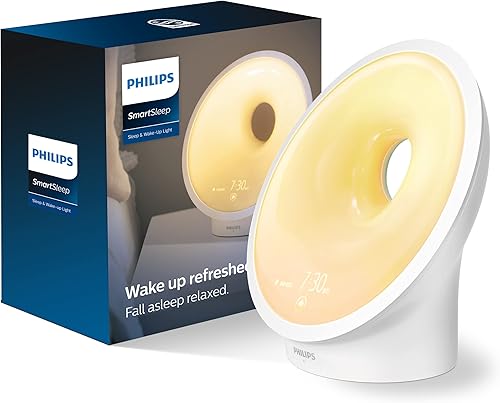
The Philips SmartSleep Wake-Up Light at $99 is the best sunrise alarm clock for most users: the 20-step progressive sunrise simulation starts 30 minutes before alarm time, reaches 200 lux at full brightness (sufficient for circadian signal), includes five wake sounds and a clinical study supports its effectiveness for sleep quality improvement.

Product buttons open Amazon search results. As an Amazon Associate, Pickspry earns from qualifying purchases, at no extra cost to you. Learn more

Quick picks

How we chose

Sunrise alarm clocks are evaluated by maximum brightness (lux output determines circadian signal strength; 200-300 lux minimum is effective), sunrise simulation duration (20-30 minutes standard), number of brightness steps in the sunrise (more steps mean smoother light increase), sound options (nature sounds, radio, audible alarm), sunset simulation for sleep onset, color temperature range (warm amber at start to daylight at end is the most natural simulation), snooze function and whether the unit doubles as a reading light or sound machine. Specs from manufacturer product pages. We did not test these products.

The picks, in detail

4 picks reviewed
01
Best sunrise alarm clock overall
Philips Philips SmartSleep Wake-Up Light HF3520

Philips SmartSleep Wake-Up Light HF3520

Brand: Philips

Best for

Users who want the clinically studied sunrise alarm with proven effectiveness data behind its specific sunrise simulation parameters, and whose budget supports the $99 price for the category leader.

Skip if

Smart home integration and app control are important. The Philips SmartSleep HF3520 is a standalone device without Wi-Fi or app connectivity. For users who want smartphone scheduling and integration with smart home devices, the Hatch Restore 2 provides those capabilities.

The Philips SmartSleep HF3520 uses a 20-step sunrise simulation starting 30 minutes before the set alarm time, beginning with dim red-amber light and progressing to 200 lux white light. Philips research supports this specific combination of sunrise duration, lux level and color temperature shift for improving subjective wake-up quality.

A sunset simulation mode gradually reduces light intensity over 30 minutes to support sleep onset in the evening. Five nature sounds (birds, forest, ocean, waves, Zen tones) provide audible backup for light sleepers who need sound reinforcement.

FM radio with automatic station scanning provides an alternative alarm sound for users who prefer wake-to-music. At $99, the Philips SmartSleep is the category reference for sunrise simulation.

Specifications

Specifications for Philips SmartSleep Wake-Up Light HF3520
Max brightness200 lux
Sunrise duration30 minutes (20 steps)
Sounds5 nature sounds plus FM radio
Price$99

Specs from Philips, SmartSleep Wake-Up Light product page

02
Best smart sunrise alarm clock
Hatch Hatch Restore 2 Smart Sleep Assistant

Hatch Restore 2 Smart Sleep Assistant

Brand: Hatch

Best for

Users who want app-controlled sunrise alarm with integrated sound machine, reading light and sleep coaching content in one bedside device, and are comfortable with the optional subscription for full content access.

Skip if

Standalone operation without app dependency is preferred. The Hatch Restore 2 is managed through its app, and changing sleep and wake routines requires smartphone interaction. For users who prefer a simple button-operated alarm clock without app involvement, the Philips or JALL models operate independently.

The Hatch Restore 2 combines sunrise simulation, sound machine, reading light and optional guided sleep content in a single bedside device. The app allows setting multiple alarm schedules, adjusting sunrise brightness and duration and selecting different sounds for weekday and weekend schedules.

Reading light color temperature adjusts from warm amber (sleep-supportive, low blue light) for bedtime reading to neutral white for daytime use. The device operates via touch button for basic functions without requiring phone interaction each use.

At $149, the Hatch Restore 2 is the all-in-one premium bedside sleep device.

Specifications

Specifications for Hatch Restore 2 Smart Sleep Assistant
FunctionsSunrise alarm, sound machine, reading light
AppYes (iOS and Android)
SubscriptionOptional for full content
Price$149

Specs from Hatch, Restore 2 product page

03
Best budget sunrise alarm clock
Coulax Coulax Sunrise Alarm Clock

Coulax Sunrise Alarm Clock

Brand: Coulax

Best for

Budget buyers who want the sunrise simulation function at the lowest price, accepting reduced lux output (the Coulax produces less than 200 lux at maximum) compared to the Philips.

Skip if

Clinical-grade sunrise light intensity is needed. The Coulax provides sunrise simulation but at lower lux output than the Philips SmartSleep. For seasonal affective disorder or users specifically needing 200+ lux for circadian support, the Philips is the appropriate choice.

The Coulax provides sunrise simulation with seven color stages from red to warm white, FM radio and seven nature sounds at $35. The sunrise timer is adjustable from 10 to 60 minutes, allowing shorter sunrise simulations for users who set alarms closer to natural wake time.

Seven light colors (yellow, red, white and intermediate stages) provide visual variety for the sunset and sunrise cycles. At $35, the Coulax offers the core sunrise alarm function as a budget option for users who want to trial the wake-up light concept.

Specifications

Specifications for Coulax Sunrise Alarm Clock
Colors7 sunrise colors
Sounds7 nature sounds plus FM radio
Timer10-60 minute sunrise
Price$35

Specs from Coulax, Amazon search

04
Best entry-level sunrise alarm
JALL JALL Wake-Up Light Sunrise Alarm Clock

JALL Wake-Up Light Sunrise Alarm Clock

Brand: JALL

Best for

First-time wake-up light users who want the lowest entry price to experience the sunrise simulation concept before investing in a Philips or Hatch device.

Skip if

Reliability for a critical morning wake schedule is needed. Entry-level sunrise alarms at $29 have higher reported variability in build quality and software reliability than the Philips. For users who cannot afford to sleep through an important morning, the Philips or Coulax provide more dependable operation.

The JALL Wake-Up Light provides seven brightness levels with a 30-minute sunrise simulation and seven natural sounds. A USB charging port on the back allows charging a phone bedside without an additional outlet. The compact round form factor stores neatly on a nightstand.

For users evaluating whether sunrise simulation improves their morning routine before committing to a $99+ investment, the JALL provides the functional experience at the lowest price available.

At $29, the JALL is the entry-price sunrise alarm for concept evaluation.

Specifications

Specifications for JALL Wake-Up Light Sunrise Alarm Clock
Brightness levels7
Sounds7 nature sounds
USBUSB charging port included
Price$29

Specs from JALL, Amazon search

Lux output comparison

Model Max lux Sunrise duration Clinical data
Philips SmartSleep 200 lux 30 minutes Published research
Hatch Restore 2 ~100 lux Adjustable None published
Coulax 50-80 lux (est.) 10-60 minutes None
JALL 50-70 lux (est.) 30 minutes None

Compare the picks

Side by side comparison of every pick
Specification
Philips Philips SmartSleep Wake-Up Light HF3520
Philips SmartSleep Wake-Up Light HF3520
Hatch Hatch Restore 2 Smart Sleep Assistant
Hatch Restore 2 Smart Sleep Assistant
Coulax Coulax Sunrise Alarm Clock
Coulax Sunrise Alarm Clock
JALL JALL Wake-Up Light Sunrise Alarm Clock
JALL Wake-Up Light Sunrise Alarm Clock
Our verdictBest sunrise alarm clock overallBest smart sunrise alarm clockBest budget sunrise alarm clockBest entry-level sunrise alarm
Max brightness200 luxNot listedNot listedNot listed
Sunrise duration30 minutes (20 steps)Not listedNot listedNot listed
Sounds5 nature sounds plus FM radioNot listed7 nature sounds plus FM radio7 nature sounds
Price$99$149$35$29
FunctionsNot listedSunrise alarm, sound machine, reading lightNot listedNot listed
AppNot listedYes (iOS and Android)Not listedNot listed
SubscriptionNot listedOptional for full contentNot listedNot listed
ColorsNot listedNot listed7 sunrise colorsNot listed
TimerNot listedNot listed10-60 minute sunriseNot listed
Brightness levelsNot listedNot listedNot listed7
USBNot listedNot listedNot listedUSB charging port included
BuyCheck priceCheck priceCheck priceCheck price

Questions people ask

How effective are sunrise alarm clocks?

Sunrise alarm clocks work by exposing the eyes to gradually increasing light during the final sleep stage before the alarm, which influences cortisol production (the hormone that supports alertness) and reduces sleep inertia (the grogginess of being woken from deep sleep). Multiple independent studies support reduced wake-up difficulty and improved alertness ratings with sunrise alarms compared to standard auditory alarms. The effect is most pronounced for people who sleep in genuinely dark rooms and is less significant in bedrooms with ambient morning light.

Does a sunrise alarm clock need to be bright to work?

Yes. The minimum effective lux output for a meaningful circadian light signal is approximately 100-200 lux. Many budget sunrise alarms produce less than 100 lux at maximum, which may be insufficient to provide a measurable effect. The Philips SmartSleep HF3520 produces 200 lux, which matches the level used in the published research on its effectiveness. For users who want the light to do meaningful work (not just provide a visual cue), verify the maximum lux output in the specifications before purchasing.

What time should I set the sunrise simulation to start?

Set the sunrise start time to 20-30 minutes before your desired wake time. If you normally wake at 7:00 AM, set the sunrise to begin at 6:30 AM. The gradual light increase during this period supports lighter sleep staging before the alarm sounds, making the final audible alarm less of a sudden disruption. The 30-minute simulation matches the Philips research protocol. Shorter simulations (10-15 minutes) still provide some benefit but with less complete circadian preparation.