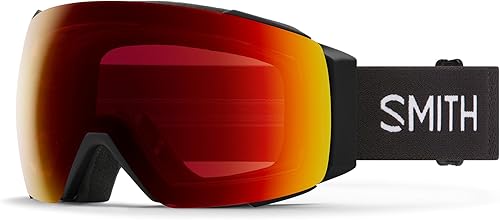
Winter Sports

Ski goggles, gloves, base layers, hand warmers and winter sport gear.

Winter sport gear performs within specific temperature and activity ranges. A ski goggle with a VLT (visible light transmission) rating of 5% for bright sunny days becomes too dark on overcast days. A glove rated for skiing at negative 10 degrees Fahrenheit is too insulated for snowshoeing where sustained movement generates body heat. The guides here cover winter sport gear by activity type, temperature rating and the specifications that affect performance in the target conditions.

6 guides in this section

All guides(6)

  • Buying guide

    Best ski boot bag for travel and resort use: Amazon picks

    Ski boot bag capacity in liters, whether the bag holds only boots or both boots and a helmet, ventilation panels for wet boot airing, boot compartment separation for each foot, shoulder strap versus backpack carry and waterproof base material determine which ski boot bag works for daily resort transport and ski travel.

    4 picks · 5 sourcesUpdated September 28, 2026

  • Buying guide

    Best ski gloves for cold and wet conditions: Amazon picks

    Ski glove insulation type (down versus synthetic), waterproof membrane (GORE-TEX versus proprietary), gauntlet versus under-the-cuff length, wrist strap cinch, touchscreen compatibility on the fingertips and warmth rating determine which ski gloves keep hands dry and warm on the mountain.

    4 picks · 5 sourcesUpdated September 28, 2026
  • Buying guide

    Best ski goggles for slopes and powder: Amazon picks

    Ski goggle lens tint (mirror versus photochromic), whether the lens has OTG over-the-glass design for glasses wearers, field of view width, foam seal layer count, ventilation to prevent fogging and helmet compatibility determine which ski goggles perform on the mountain.

    4 picks · 5 sourcesUpdated September 28, 2026

  • Buying guide

    Best ski helmet for safety and warmth: Amazon picks

    Ski helmet certification (ASTM F2040 or EN 1077), whether it has a MIPS liner, in-mold versus hard shell construction, ventilation control, goggle clip compatibility and adjustable fit system determine which ski helmet provides certified protection on the mountain.

    4 picks · 5 sourcesUpdated September 28, 2026

  • Buying guide

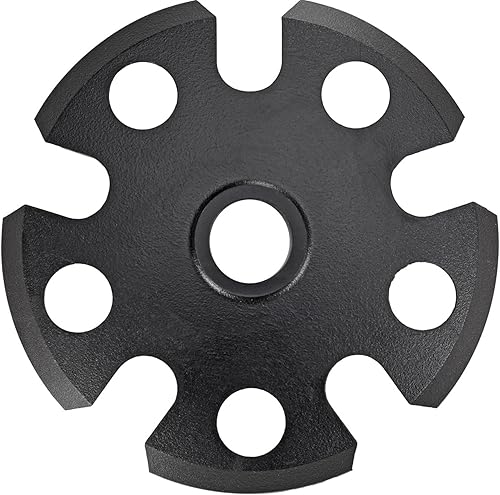
    Best ski poles for alpine and all-mountain skiing: Amazon picks

    Ski pole material (aluminum versus carbon fiber), grip design (cork versus foam rubber), basket size (powder versus race basket), pole length sizing method, wrist strap design and whether the pole is adjustable or fixed-length determine which ski poles suit the skiing style.

    4 picks · 5 sourcesUpdated September 28, 2026

  • Buying guide

    Best ski socks for warmth and blister prevention: Amazon picks

    Ski sock material (merino wool versus synthetic), cushioning zone placement at the shin and heel, height (over-the-calf versus mid-calf), whether the sock has reinforced shin padding for boot buckle pressure and moisture-wicking construction determine which ski socks prevent blisters and keep feet warm.

    4 picks · 5 sourcesUpdated September 28, 2026