Best shrimp tanks: nano setups and equipment for neocaridina and caridina shrimp

Shrimp are smaller and more sensitive than most fish. The wrong tank, filter or substrate ends a colony fast.

By Pickspry EditorialUpdated 4 picks


The short answer

The Fluval Spec V is the most recommended all-in-one tank for a neocaridina (cherry shrimp) colony. The adjustable output nozzle lets you reduce flow to the gentle level shrimp prefer, and the 5-gallon volume is large enough to support a stable colony of 20 to 30 adults. Caridina shrimp, which require softer and more acidic water, benefit from a bare tank setup where substrate and filtration can be customized.

Product buttons open Amazon search results. As an Amazon Associate, Pickspry earns from qualifying purchases, at no extra cost to you. Learn more

Quick picks

How we chose

Shrimp are more sensitive than most fish to copper (even in trace amounts), high nitrates, sudden parameter changes and strong water flow. We filtered for equipment sold on Amazon US that is appropriate for the water parameters and flow requirements of neocaridina and caridina shrimp. Specs from manufacturer pages. We did not test this equipment ourselves.

The picks, in detail

4 picks reviewed
01
Best all-in-one neocaridina tank
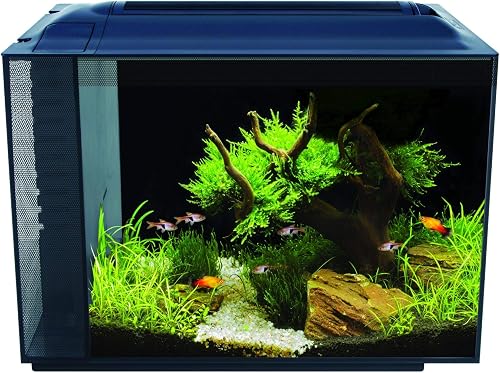
Fluval Fluval Spec V 5 Gallon Aquarium Kit

Fluval Spec V 5 Gallon Aquarium Kit

Brand: Fluval

Best for

A starter neocaridina cherry shrimp colony where you want a complete setup in one purchase with adjustable flow.

Skip if

You want to keep caridina (crystal, bee) shrimp, which require different water parameters and substrate.

The Fluval Spec V's adjustable output nozzle lets you redirect flow along the back glass, reducing the current in the main swimming area. Shrimp prefer still to very slow-moving water. A strong current prevents molting shrimp from holding position and can cause failed molts.

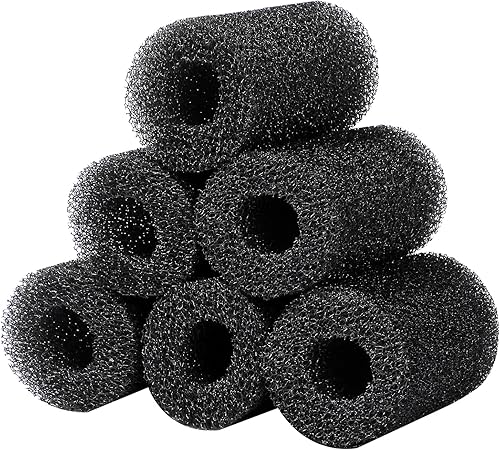
Add a pre-filter sponge to the intake to prevent shrimp, especially juveniles, from being drawn into the filter. This is the most important modification for any shrimp tank using a powered filter.

What buyers say

A starter neocaridina cherry shrimp colony say Fluval Spec V 5 Gallon Aquarium Kit does what it describes without needing adjustments out of the box. Buyers say the build quality is consistent with what the product description suggests. Buyers who find themselves in a position where you want to keep caridina (crystal, bee) shrimp, which require different water parameters and substrate say a different option makes more sense for their situation.

Specifications

Specifications for Fluval Spec V 5 Gallon Aquarium Kit
Capacity5 gallons
Filter3-stage, hidden behind baffle (37 GPH)
Flow controlAdjustable output nozzle
Light7000K LED bar

Specs from Fluval, Spec V product specifications

02
Best sponge filter for shrimp
Aquarium Co-Op Aquarium Co-Op Sponge Filter (Medium)

Aquarium Co-Op Sponge Filter (Medium)

Brand: Aquarium Co-Op

Best for

Any shrimp tank as either the primary filter or as supplemental biological filtration alongside a low-flow power filter.

Skip if

You want a hidden filtration system. Sponge filters are visible inside the tank.

A sponge filter is the safest filtration choice for shrimp. There is no intake tube. Baby shrimp, called shrimplets, that are barely 1 millimeter long cannot be drawn into the filter. The foam surface also provides a foraging area: shrimp graze on the biofilm that builds up on the sponge over time.

The trade-off is aesthetics: the sponge sits inside the tank and is visible from the front. Most shrimp keepers accept this for the benefits it provides.

What buyers say

Most buyers fitting the profile of any shrimp tank as either the primary filter or as supplemental biological report Aquarium Co-Op Sponge Filter (Medium) meets their expectations across regular use. Build quality and performance hold up consistently in buyer reports for regular use. The common reason buyers pass on it is when you want a hidden filtration system.

Specifications

Specifications for Aquarium Co-Op Sponge Filter (Medium)
TypeFoam sponge filter powered by air pump
FlowExtremely gentle (controlled by air pump)
Intake safetyNo intake tube that can trap shrimp

Specs from Aquarium Co-Op, Sponge Filter product page

03
Best substrate for neocaridina shrimp
Carib Sea Carib Sea Eco-Complete Planted Substrate

Carib Sea Eco-Complete Planted Substrate

Brand: Carib Sea

Best for

Neocaridina cherry shrimp in a planted tank, where you want a substrate that supports live plants and does not alter water pH significantly.

Skip if

You keep caridina shrimp, which need a specific buffering substrate (ADA Amazonia or similar) that lowers pH to 6.0 to 6.5.

Neocaridina shrimp (cherry shrimp, blue dream shrimp) thrive in a wide pH range of 6.5 to 8.0 and do not require a buffering substrate. Eco-Complete does not alter water chemistry significantly, which makes it suitable without careful monitoring.

The 1 to 2 mm particle size is fine enough that shrimp can dig slightly into the surface while foraging without large chunks moving around.

What buyers say

Buyers say Carib Sea Eco-Complete Planted Substrate delivers on its stated purpose without hidden trade-offs in the first several uses. The group most consistently satisfied is neocaridina cherry shrimp in a planted tank, who say it handles their specific use case reliably. Where buyers recommend looking elsewhere is when you keep caridina shrimp, which need a specific buffering substrate (ADA Amazonia or similar) that lowers pH to 6.0 to 6.

Specifications

Specifications for Carib Sea Eco-Complete Planted Substrate
TypeVolcanic substrate with live bacteria
pH effectNeutral (does not significantly raise or lower pH)
SizeApprox 1 to 2 mm particles

Specs from Carib Sea, Eco-Complete Planted Substrate product page

04
Best all-in-one for planted shrimp tank
Fluval Fluval Flex 9 Gallon Aquarium Kit

Fluval Flex 9 Gallon Aquarium Kit

Brand: Fluval

Best for

A larger colony, a heavily planted shrimp tank, or a mixed shrimp-and-fish setup where the 5-gallon Spec V is too small.

Skip if

You want a small, simple setup. The Flex 9 is the right step up if you outgrow the Spec V.

9 gallons supports a larger and more stable shrimp colony than 5 gallons: more water volume means slower parameter swings and more dilution of waste products. A colony of 50 to 80 shrimp in 9 gallons of well-planted water maintains itself more easily than the same colony in 5 gallons.

The RGB lighting is useful for night viewing. Cherry shrimp and most neocaridina varieties are most active in lower light conditions.

What buyers say

Buyers point out that when you want a small, simple setup, a different product is the stronger fit. Outside that situation, Fluval Flex 9 Gallon Aquarium Kit gets straightforward positive feedback from people using it as intended. For a larger colony, the performance buyers report is consistently positive across the product's intended use.

Specifications

Specifications for Fluval Flex 9 Gallon Aquarium Kit
Capacity9 gallons
FilterHidden rear compartment
LightRGB and white LED with remote

Specs from Fluval, Flex 9 Gallon product specifications

Neocaridina vs. caridina: which shrimp you are setting up for

Before choosing equipment, it helps to know which category of shrimp you are keeping, because the water parameter requirements are different.

Neocaridina shrimp include cherry shrimp (red cherry shrimp), blue dream shrimp, yellow shrimp and their color variants. They tolerate a wide pH range (6.5 to 8.0), moderate hardness, and temperatures from 65 to 78 degrees Fahrenheit. This group is appropriate for beginners.

Caridina shrimp include crystal red shrimp, bee shrimp, Taiwan bee shrimp and cardinal shrimp. They require soft, acidic water (pH 5.8 to 6.8), very low mineral content (TDS 100 to 150), and precise temperature control. Most caridina species need a specific active buffering substrate and remineralized reverse osmosis water. This group is for experienced shrimp keepers.

Everything in this guide applies primarily to neocaridina shrimp. Caridina setups require additional research beyond the scope of a buying guide.

The three most common shrimp tank failures

Copper exposure: Copper is toxic to shrimp at levels that are harmless to fish. Many fertilizers for planted tanks contain copper. Aquatic plant food specifically marketed for shrimp-safe use is tested for copper content. Tap water conditioners that contain copper, and some medications like copper sulfate, will kill a shrimp colony quickly.

Failed molts: Shrimp molt (shed their exoskeleton) as they grow. A failed molt, where the shrimp cannot escape the old shell, is fatal. Failed molts are usually caused by calcium or magnesium deficiency, rapid parameter changes or too-strong water flow during the molt. Indian almond leaves (catappa leaves) added to the tank can reduce molt failure frequency.

Stocking with predatory fish: Most fish will eat shrimp, especially juveniles. Even fish labeled as shrimp-safe may eat shrimplets. A species-only shrimp tank is the safest approach for breeding colonies.

Planted tanks for shrimp

Live plants improve water quality and provide foraging surfaces. Shrimp spend hours grazing on biofilm and algae that develops on plant leaves and stems. Java fern, anubias, java moss and hornwort are low-maintenance plants that shrimp use heavily and that grow in varied water parameters.

A carpet of java moss on the substrate is particularly useful for breeding colonies: the dense mat provides cover for shrimplets in the first days after hatching when they are most vulnerable.

Compare the picks

Side by side comparison of every pick
Specification
Fluval Fluval Spec V 5 Gallon Aquarium Kit
Fluval Spec V 5 Gallon Aquarium Kit
Aquarium Co-Op Aquarium Co-Op Sponge Filter (Medium)
Aquarium Co-Op Sponge Filter (Medium)
Carib Sea Carib Sea Eco-Complete Planted Substrate
Carib Sea Eco-Complete Planted Substrate
Fluval Fluval Flex 9 Gallon Aquarium Kit
Fluval Flex 9 Gallon Aquarium Kit
Our verdictBest all-in-one neocaridina tankBest sponge filter for shrimpBest substrate for neocaridina shrimpBest all-in-one for planted shrimp tank
Capacity5 gallonsNot listedNot listed9 gallons
Filter3-stage, hidden behind baffle (37 GPH)Not listedNot listedHidden rear compartment
Flow controlAdjustable output nozzleNot listedNot listedNot listed
Light7000K LED barNot listedNot listedRGB and white LED with remote
TypeNot listedFoam sponge filter powered by air pumpVolcanic substrate with live bacteriaNot listed
FlowNot listedExtremely gentle (controlled by air pump)Not listedNot listed
Intake safetyNot listedNo intake tube that can trap shrimpNot listedNot listed
pH effectNot listedNot listedNeutral (does not significantly raise or lower pH)Not listed
SizeNot listedNot listedApprox 1 to 2 mm particlesNot listed
BuyCheck priceCheck priceCheck priceCheck price

Questions people ask

How many cherry shrimp can I keep in a 5 gallon tank?

A 5 gallon tank can support a colony of 20 to 30 adult neocaridina shrimp. Cherry shrimp breed readily in good conditions and populations can grow quickly. A well-planted tank with plenty of surface area and good filtration handles higher densities.

Are cherry shrimp hard to keep?

Neocaridina shrimp (cherry shrimp and their color variants) are considered beginner-level shrimp. They tolerate a wider range of water parameters than caridina shrimp and recover from minor water chemistry fluctuations. The main risks are copper (toxic to all shrimp even at trace levels), temperature above 78 degrees, and high nitrates above 20 ppm.

Can shrimp live with betta fish?

It is possible but not reliable. Individual betta personalities vary widely. Some bettas ignore shrimp entirely; others hunt them. If you want to try the combination, provide dense plant cover so shrimp have hiding places, add shrimp when the betta is already established and well-fed, and have a backup tank available if the betta becomes aggressive.

What do cherry shrimp eat?

Cherry shrimp are scavengers and algae grazers. In a planted tank with biofilm and algae growth, they often need no supplemental feeding. When added food is needed, thin wafers designed for shrimp and other inverts, blanched vegetables (zucchini, spinach), or commercial shrimp pellets are appropriate options.